
Virtual Stars: Explore How AI-Generated Influencers are Shaping Social Media Trends
Maya J.
If you’ve scrolled social media lately and thought, “Wait… is this influencer even real?” — you’re not imagining things.
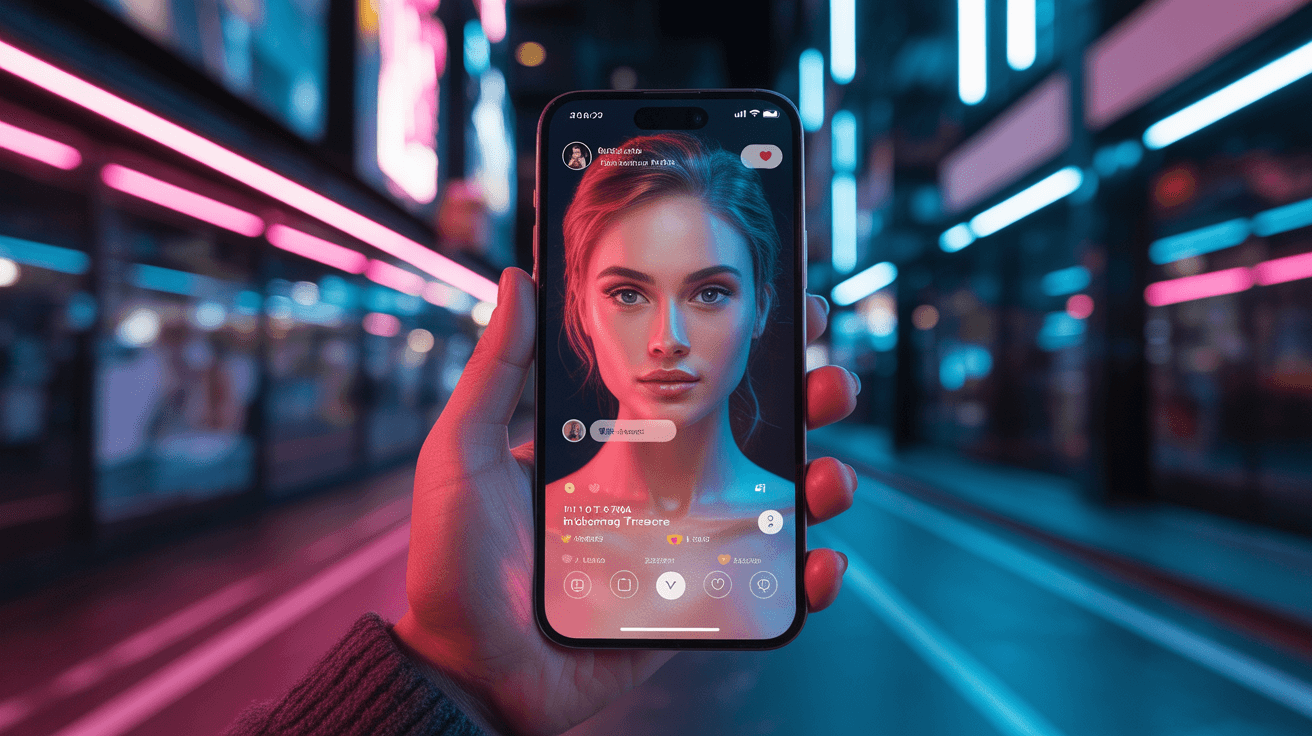
AI-generated influencers (sometimes called virtual or synthetic creators) are rapidly becoming part of the social media ecosystem. They model outfits, promote products, drop music, and build fanbases—all without being human.
What AI Influencers Actually Are
At the simplest level, AI influencers are computer-generated personalities designed to exist online like human creators. They have names, aesthetics, posting styles, and even “personalities” crafted by creative teams.
They’re built using a mix of:
- 3D modeling and animation
- AI-generated imagery
- voice synthesis and music tools
- scripted social media narratives
- human creative direction behind the scenes
Key shift:
Virtual influencers aren’t replacing humans—they’re expanding what “influence” even means in digital culture.
Why Brands Are Obsessed With Them
From a brand perspective, AI influencers solve a lot of problems human creators come with.
- no scheduling conflicts
- no scandals or PR crises
- fully controlled messaging
- global campaigns without travel costs
- perfect visual consistency
In short, they’re brand-safe and infinitely customizable.
If you want a broader view of how AI is shaping industries and labor, the OECD’s artificial intelligence policy hub gives a grounded overview beyond social media hype.
The Audience Reaction Is… Complicated
People are fascinated by AI influencers—but also a little uneasy about them.
Here’s why:
- they look human but aren’t
- their lives are entirely scripted
- fans can form emotional attachments
- transparency isn’t always clear
It raises a real question: does influence require authenticity, or just engagement?
Let’s be honest:
Social media was already curated and performative. AI influencers just remove the illusion that it was ever fully “real.”
How Are Virtual Creators Shaping Trends
Even though they’re synthetic, AI influencers are still influencing real behavior.
We’re already seeing them shape:
- fashion aesthetics
- beauty standards
- digital avatar styling
- music collaborations
- brand campaign visuals
Because they’re digitally native, they often feel hyper-optimized for the feed—perfect lighting, perfect proportions, perfect styling.
The Ethics Conversation Is Just Starting
This is where things get serious.
Virtual influencers raise questions around:
- transparency (should AI influencers be clearly labeled?)
- body image standards (unrealistic perfection)
- job displacement for human creators
- data-driven personality design
If you want a structured look at AI ethics and risk frameworks, the NIST AI Risk Management Framework is one of the most credible policy references available.
Will AI Influencers Replace Human Ones?
Short answer: no—but they’ll change the ecosystem.
Human creators still bring relatability, imperfection, and lived experience. Virtual influencers bring aesthetic precision and brand control.
The future probably looks like both existing side-by-side:
- human influencers for connection
- AI influencers for campaigns and storytelling
- hybrid creators blending real and digital identity
FAQ
What is an AI influencer?
An AI influencer is a computer-generated digital personality designed to operate like a social media creator, complete with posts, partnerships, and online storytelling.
Are AI influencers controlled by real people?
Yes. Creative teams, marketers, and designers manage their content, personality, and brand partnerships behind the scenes.
Why do brands use virtual influencers?
They offer full creative control, brand safety, cost efficiency, and global scalability without the unpredictability of human influencers.
Do audiences trust AI influencers?
Trust varies. Some fans enjoy the artistry and storytelling, while others feel uneasy about the lack of authenticity.
Will virtual influencers take over social media?
Unlikely. They’ll grow in visibility, but human creators still dominate engagement because relatability remains powerful.
Key Takeaways
- ✓ AI influencers are digital personalities designed to function like human creators online.
- ✓ Brands value them for control, scalability, and PR safety.
- ✓ They already influence fashion, beauty, and digital aesthetics.
- ✓ Audience reactions range from fascination to skepticism.
- ✓ Ethical concerns include transparency, body standards, and job impact.
- ✓ The future likely blends human and AI influencers rather than replacing one with the other.
 Social Media Buzz
 Exploring Viral Social Media Challenges: A Look at Their Exciting Nature and Potential Dangers
Written by: Maya J. Social Media Trends Writer & Digital Culture Commentator Fro...
 Tech
Tech The Future of Tech: Unraveling the Mysteries of Brain-Computer Interfaces
Written by: David K. Tech Strategy Consultant & Workflow Automation Specialist ...