
Twitter vs Threads: Decoding the Social Media Rumble
Maya J.
The Twitter vs. Threads debate isn’t just another platform comparison—it’s a full-on culture split happening in real time.
On one side, you’ve got Twitter (or X, depending on how seriously you take the rebrand): chaotic, fast, opinionated, and still the internet’s favorite place to argue. On the other, Threads arrived with cleaner vibes, softer energy, and a promise of “conversation without the toxicity.”
The real question isn’t which app has more users. It’s which one owns the future of public conversation.
Why Threads Exploded So Fast
Threads didn’t start from zero—it launched plugged directly into Instagram’s user base, which gave it instant scale most new platforms could only dream about.
But growth wasn’t just about convenience. Timing mattered.
- Twitter users were already frustrated with platform changes
- verification policies were shifting
- algorithm visibility felt unpredictable
- brand safety concerns were rising
Threads positioned itself as the calmer alternative—less noise, more conversation.
Early perception gap:
Twitter felt like the group chat where everyone’s yelling. Threads felt like the after-party where people are trying to talk normally again.
What Twitter Still Does Better
Despite all the chaos, Twitter still dominates in one key area: real-time relevance.
When something happens—sports trades, celebrity drama, global news—Twitter is still where people run first.
It thrives on speed and friction:
- breaking news spreads instantly
- journalists and insiders post live updates
- memes evolve minute-by-minute
- debate is constant (sometimes exhausting, but active)
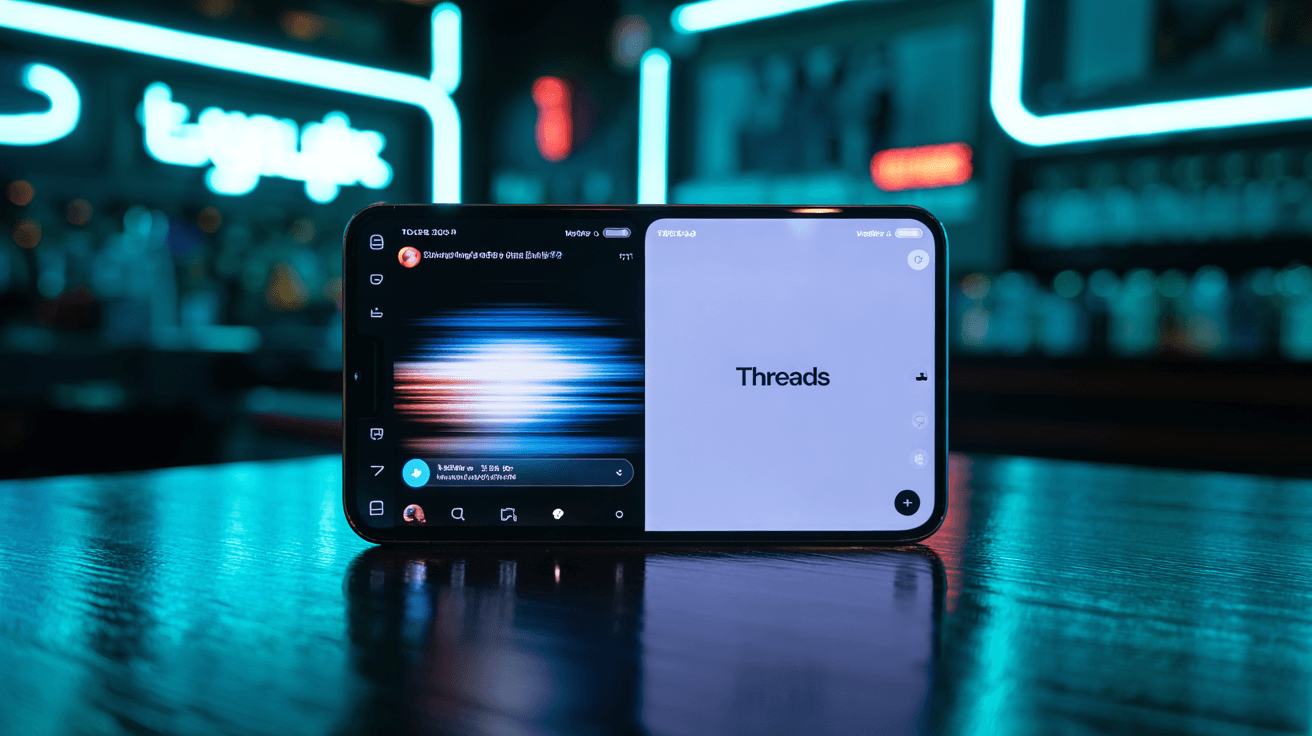
Where Threads Feels Different
Threads isn’t trying to out-Twitter Twitter. Its tone is intentionally softer.
Scrolling Threads feels more like:
- creator updates
- brand storytelling
- casual opinions
- community check-ins
Less “debate arena,” more “public diary.”
The vibe difference:
Twitter is where conversations collide. Threads is where conversations unfold.
The Algorithm and Discovery Factor
Discovery works differently on both platforms, and that changes how content spreads.
- Twitter: viral spikes, quote tweets, trending topics
- Threads: follower-first visibility with slower discovery layering
That means Twitter can make you famous overnight—but Threads might build you a steadier, more brand-safe audience.
If you want broader data on how platform usage evolves and how audiences shift across social apps, Pew Research’s social media insights offer one of the clearest macro-level views.
Brands and Creators Are Playing Both Sides
Most creators and brands aren’t choosing one platform—they’re splitting strategy.
- Twitter for commentary and cultural relevance
- Threads for community tone and brand storytelling
- Twitter for virality
- Threads for relationship building
It’s less “versus” and more “different tools for different moods.”
The Moderation and Safety Conversation
Platform moderation is one of the biggest dividing lines between the two.
Threads launched with stricter content controls and closer integration with Meta’s moderation systems. Twitter, meanwhile, has leaned harder into free-speech positioning, which has changed the tone of discourse significantly.
For a broader look at how online platforms manage digital spaces and policy challenges, the Brookings Institution’s tech policy research is a solid reference.
So… Which Platform Is Winning?
Right now? Both—just in different ways.
- Twitter still owns real-time conversation
- Threads is building long-term social comfort
- Twitter thrives on conflict
- Threads thrives on connection
The winner probably won’t be the one with the loudest feed—but the one that balances conversation, trust, and creator opportunity best.
FAQ
Is Threads replacing Twitter?
Not directly. Threads serves a different tone and user experience, focusing more on community and less on real-time news and debate.
Why did Threads grow so quickly?
It leveraged Instagram’s user base, giving it instant access to millions of users already connected to creators and brands.
Which platform is better for creators?
Twitter is better for virality and commentary, while Threads is better for audience relationships and brand-safe content.
Is Twitter still relevant?
Very. It remains the fastest platform for breaking news, cultural commentary, and live public discourse.
Should brands use both?
Yes. Most brands benefit from using Twitter for relevance and Threads for storytelling and community engagement.
Key Takeaways
- ✓ Twitter dominates real-time news, memes, and public debate.
- ✓ Threads focuses on calmer conversation and community tone.
- ✓ Discovery on Twitter is faster; growth on Threads may be steadier.
- ✓ Brands and creators are using both platforms for different goals.
- ✓ Moderation policies shape each platform’s culture and tone.
- ✓ The future likely isn’t one winner—it’s coexistence with different social roles.
 Social Media Buzz
 Exploring Viral Social Media Challenges: A Look at Their Exciting Nature and Potential Dangers
Written by: Maya J. Social Media Trends Writer & Digital Culture Commentator Fro...
 Social Media Buzz
 Virtual Stars: Explore How AI-Generated Influencers are Shaping Social Media Trends
Written by: Maya J. Social Media Trends Writer & Digital Culture Commentator Fro...