
The Great Streaming Wars: Uncovering the Victor in 2025
Ryan F.
The streaming wars never really ended—they just got quieter, messier, and way more expensive. In 2025, the fight isn’t about who has the most shows. It’s about who can keep subscribers without bleeding money every quarter.
If you’re trying to figure out which platform is actually “winning,” this is the breakdown that matters: what success looks like now, where the power is shifting, and what you should subscribe to (or cancel) with zero guilt.
What “Winning” in Streaming Looks Like These Days
A few years ago, winning meant subscriber growth at any cost. Now? It’s more like this:
- keeping subscribers longer (less churn)
- making money per user (ARPU matters)
- owning franchises that pull people back monthly
- balancing ads vs premium without annoying everyone
And yes, ads are back. Not because anyone loves them, but because ad tiers are the easiest way to keep prices from spiking while still growing revenue.
The new reality:
In 2025, streaming platforms aren’t trying to “dominate culture” every week. They’re trying to become a service you don’t cancel when your card bill hits.
Netflix Is Still the Default Leader
Let’s just say it plainly: Netflix is still the platform most households keep even when they rotate everything else. It’s not always the best for prestige TV, but it’s the most consistent at giving people something to watch.
Netflix also wins in a way that’s hard to replicate: global scale. A series can pop in one country and explode somewhere else, and Netflix can turn that into a full-on audience wave.
If you want to see how broader media habits are shifting, Pew Research’s journalism and media coverage is a reliable place to explore how audiences are consuming content now.
Disney+ Is a Franchise Machine
Disney+ is the definition of “one strong advantage, one big problem.”
The advantage: it owns a huge chunk of the IP people grew up with. Marvel, Star Wars, Pixar, classic Disney—that’s not just content, it’s subscription gravity.
The problem: franchises aren’t cheap. And when the content pipeline slows, people notice immediately. Disney+ performs best when there’s a steady rollout of “event” releases.
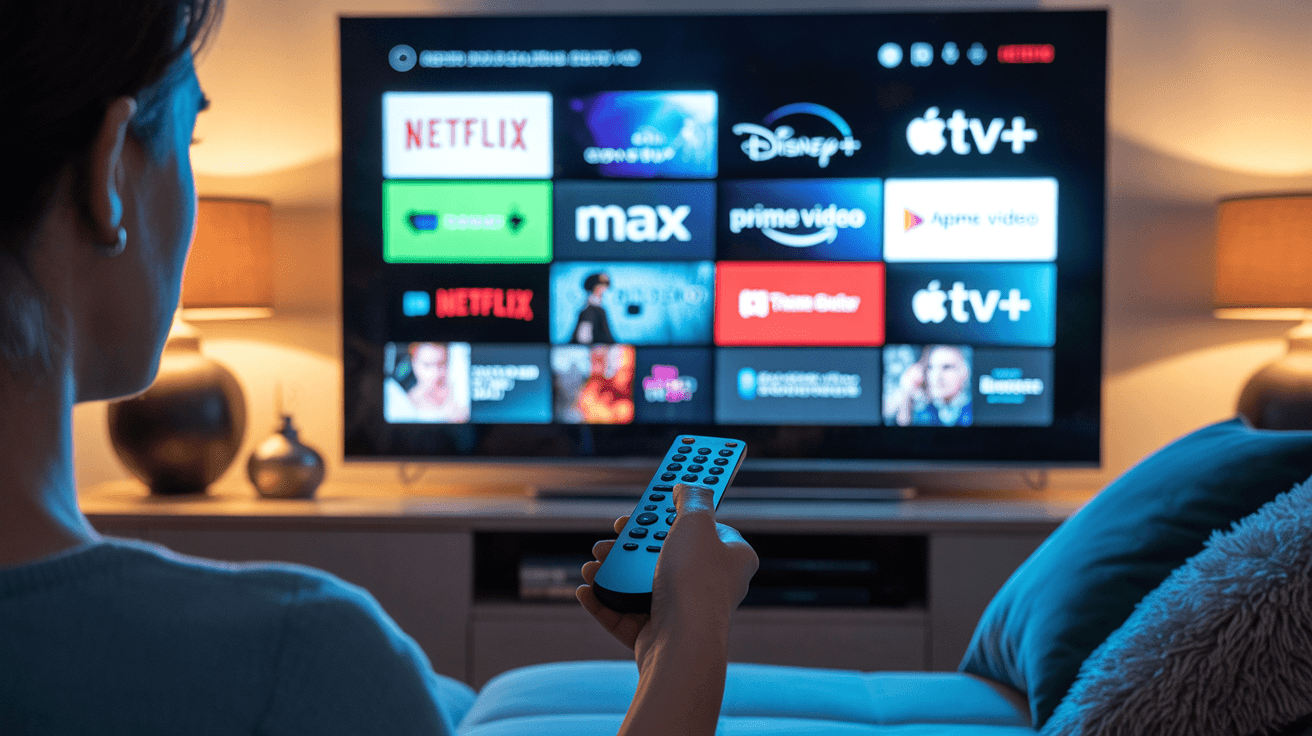
Max, Prime Video, and Apple TV+ Each Have a Different Play
This is the tier where strategy matters more than raw size.
- Max leans into prestige and “Sunday night TV” energy—when it hits, it hits hard.
- Prime Video benefits from being bundled with Amazon. A lot of people don’t even “choose” it, they just have it.
- Apple TV+ is playing the long game: fewer shows, higher quality perception, and heavy awards positioning.
The Real Winner Might Be “Bundling”
Here’s the move that keeps showing up: bundles. The more platforms package together (or attach themselves to another service), the harder it becomes for people to cancel.
Think about it: if your streaming subscription is tied into your phone plan or free shipping perks, it stops feeling like a luxury—and starts feeling like something you already paid for.
Who’s Winning for Viewers?
If you’re a normal person who just wants good entertainment without wasting money, this is the question that matters most. Here’s the simplest view:
For a bigger view of how streaming affects the entertainment economy overall, Britannica’s television overview gives solid context on how the medium keeps evolving.
How to Pick Your Streaming Stack Without Overspending
Here’s the practical play I recommend to friends (and yes, I do this myself): build a small “base + rotate” system.
- Keep 1 “always-on” platform (usually Netflix, sometimes Disney+ if you have kids).
- Rotate 1 platform monthly based on what you want to watch.
- Cancel immediately after you finish the show—don’t let it auto-renew for three months.
- Use watchlists so you don’t resubscribe randomly with no plan.
One small trick that saves money:
Treat streaming like a gym membership. If you haven’t used it in 30 days, pause it. You can always come back later when there’s a new season worth paying for.
FAQ
Who is winning the streaming wars in 2025?
Netflix is still the strongest overall because it’s consistent and widely kept by subscribers. Disney+ wins on franchises, and other platforms compete through bundles, prestige content, and niche strategies.
Are ad-supported streaming plans worth it?
For most people, yes. If you’re price-sensitive and don’t mind interruptions, ad tiers are the easiest way to keep more subscriptions active without paying full premium pricing.
Is it cheaper to bundle streaming services?
Often, yes. Bundles reduce churn and can lower costs, especially when streaming is tied into phone plans or other memberships.
What streaming service has the best original shows?
That depends on taste. Max often leads for prestige series, Apple TV+ punches above its weight for high-quality originals, and Netflix wins on volume and variety.
What’s the smartest way to subscribe in 2025?
Keep one base service you use weekly and rotate the rest based on what you want to watch. It’s the easiest way to avoid paying for five platforms you barely open.
Key Takeaways
- ✓ “Winning” in 2025 means retention and profitability, not just subscriber growth.
- ✓ Netflix remains the most consistent platform people keep year-round.
- ✓ Disney+ wins when franchise releases land regularly and keep families subscribed.
- ✓ Bundles are becoming the most powerful tool for keeping subscribers locked in.
- ✓ The smartest strategy for viewers is “base + rotate,” not subscribing to everything.
- ✓ Ad tiers aren’t glamorous, but they’re keeping streaming affordable for many households.
 Tech
Tech AI and the Race for Green Tech: The Solution to Energy Crisis?
Written by: David K. Tech Strategy Consultant & Workflow Automation Specialist ...
 Fashion
 Understanding the Fascinating World of Celebrity Finance
Written by: Jasmine L. Fashion Blogger & Pop-Culture Trend Watcher I write about...