
The Evolution of the Box Office and Streaming Releases: Mapping the Future
Ryan F.
The box office used to be the whole story. A movie premiered in theaters, everyone talked about the opening weekend, and then months later it quietly showed up on TV or DVD.
Now? The release strategy is almost part of the movie’s identity. The same film can be a theatrical event, a streaming “new drop,” or a hybrid experiment—and the decision behind that launch often decides whether it becomes a hit or disappears in a weekend.
Why Release Strategy Matters More Than Ever
Studios aren’t just deciding where a movie premieres. They’re deciding:
- how long to keep it exclusive
- when it goes to PVOD (paid rentals)
- when it hits streaming
- how they’ll market it across platforms
In 2026, distribution isn’t one pipeline—it’s a stack of options, and studios are constantly testing which mix makes the most money with the least risk.
The biggest shift:
Opening weekend still matters, but it’s no longer the only scoreboard. Now studios care about a movie’s entire life cycle—box office, rentals, streaming engagement, and long-tail value.
The Box Office Isn’t Dead, It’s Just More Selective
Every few months someone declares theaters “over,” and then a big franchise or breakout hit proves the opposite.
The truth is simpler: people still show up for movies that feel like an event. That usually means:
- big spectacle (action, sci-fi, superhero)
- strong fanbase energy
- social hype and “you have to see this” momentum
- premium formats (IMAX, Dolby, 4DX) that make it feel worth leaving the house
Mid-budget dramas and comedies still exist, but many of them now look like streaming-first plays unless there’s a clear awards push behind them.
Streaming Has Changed the “Second Life” of Movies
Streaming platforms turned what used to be “the home release window” into a whole second launch.
A movie that underperforms in theaters can still win if it becomes a streaming hit. And on the flip side, a movie can do fine in theaters but fade fast if the streaming rollout is messy or poorly marketed.
From a viewer perspective, this is why it often feels like movies appear and disappear instantly. Streaming rewards velocity—fast attention, quick clicks, and constant new drops.
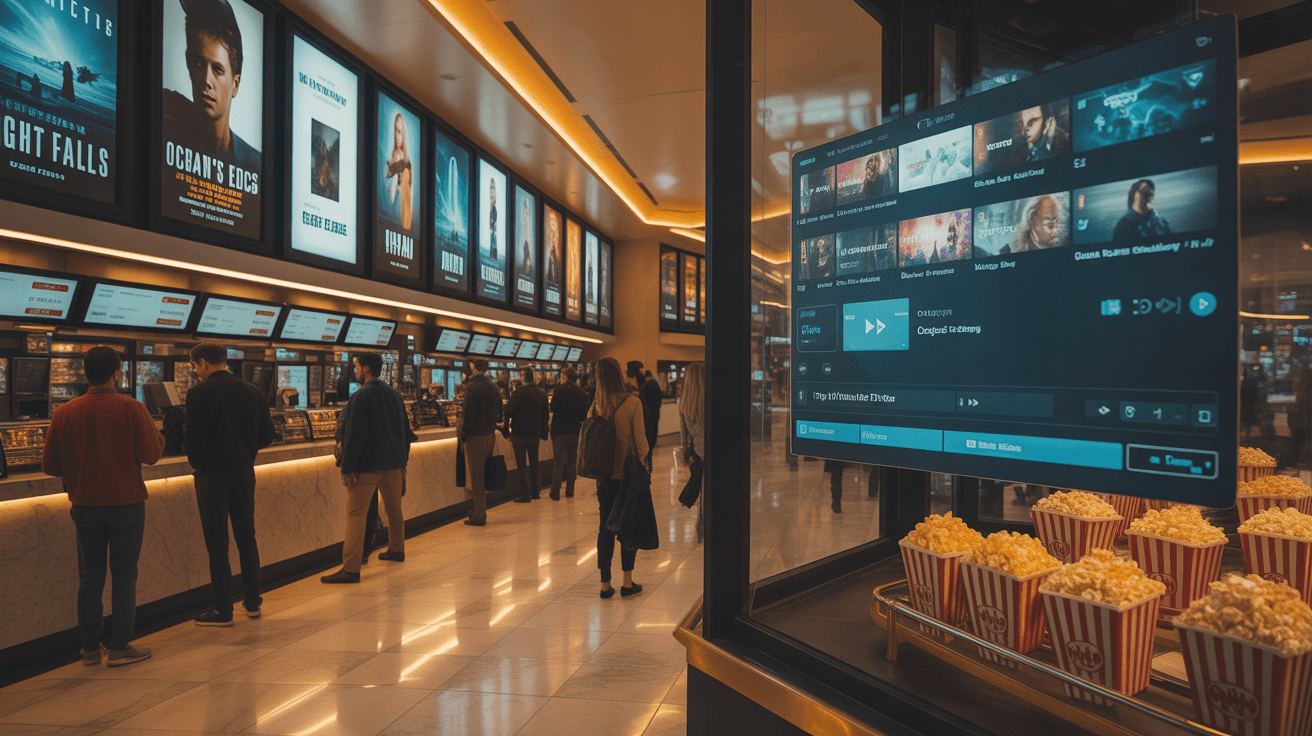
The Hybrid Release Era: What Worked and What Didn’t
The pandemic era forced hybrid releases, and the industry is still dealing with the consequences.
Some movies benefited from going digital quickly. Others lost their theatrical momentum because audiences learned to wait a few weeks and watch at home.
In 2026, the hybrid strategy is still around—but it’s used more carefully. Studios now treat it like a tool for specific projects, not the default model.
How Theatrical Windows Have Changed
The classic theatrical window used to be long and predictable. Now it’s flexible, and it depends on performance.
If you want a more research-driven view on how media and technology trends shape consumption, Pew Research’s internet and technology topic hub is a great baseline.
What’s Next for Big Studios and Streamers
Here’s what I think we’re moving toward: fewer “one-size-fits-all” releases.
Studios are going to segment strategies based on a movie’s role in the ecosystem:
- Franchise tentpoles: theaters first, premium formats, big window
- Adult drama/awards plays: limited theatrical, then prestige streaming drop
- Genre thrillers/horror: quick theatrical run + strong PVOD
- Mid-budget comedies: often streaming-first unless there’s breakout potential
What this means for viewers:
You’re going to see more “wait it out” strategies. If a movie isn’t a must-see event, a lot of people will just wait for PVOD or streaming—because the release windows keep shrinking.
FAQ
Is the box office still important in 2026?
Yes, especially for franchise films and event releases. Theatrical success still drives cultural visibility and premium revenue, but it’s now one part of a larger distribution cycle.
Why do movies hit streaming so fast now?
Because studios want faster returns and streaming platforms want fresh content to keep subscribers engaged. Shorter theatrical windows also reflect changing consumer habits.
What is PVOD?
PVOD stands for Premium Video On Demand. It’s when a new movie is available to rent at a higher price shortly after (or sometimes during) its theatrical run.
Will streaming replace theaters completely?
Unlikely. Theaters will remain important for big event films. But smaller and mid-budget movies will continue shifting toward streaming-first strategies.
How should viewers decide what to watch in theaters?
If it’s visually huge, socially hyped, or something you’ll regret missing in the moment, see it in theaters. Otherwise, waiting a few weeks for PVOD or streaming is often the smarter move.
Key Takeaways
- ✓ Release strategy now includes theaters, PVOD, streaming, and long-tail library value.
- ✓ Theatrical success is most reliable for event films and major franchises.
- ✓ Streaming releases now act like “second premieres” for many movies.
- ✓ Hybrid releases exist, but studios use them more carefully than before.
- ✓ The “base + rotate” subscription mindset is shaping how audiences watch new movies.
- ✓ Expect more segmented release strategies instead of a one-size-fits-all approach.
 Tech
Tech Exploring the Future of Augmented Reality and Apple's Vision Pro
Written by: David K. Tech Strategy Consultant & Workflow Automation Specialist ...
 Fashion
 Blurring Borders: The Intersection of Streetwear and Luxury Fashion
Written by: Jasmine L. Fashion Blogger & Pop-Culture Trend Watcher I write about...