
The BeReal Hype Dwindles: What's Looming on the Horizon?
Maya J.
BeReal was supposed to be the anti-social media social media app. No filters, no perfect lighting, no influencer polish—just a random daily moment that (in theory) forced everyone to be normal again.
And for a while, it worked. Then the hype cooled, timelines got quieter, and the same question started popping up everywhere: what happens when “authenticity” stops feeling new?
Why BeReal Felt Different at First
BeReal didn’t win because it had the best features. It won because it had the best idea at the right time.
The concept was simple:
- one daily notification
- two-minute posting window
- front + back camera photo
- no heavy editing or endless feed performance
It made social media feel lighter. Less “content creation,” more “quick check-in.”
The real appeal:
BeReal offered a break from performance. It gave people permission to post something boring—and still feel included.
So Why Did the Hype Dwindle?
BeReal’s core feature is also its biggest limitation: it’s not designed for constant scrolling. That’s great for mental health, but it makes growth harder in the attention economy.
Once the novelty fades, you’re left with a simple loop that can start to feel repetitive:
- post at a random time
- see a few friends
- close the app
- repeat tomorrow
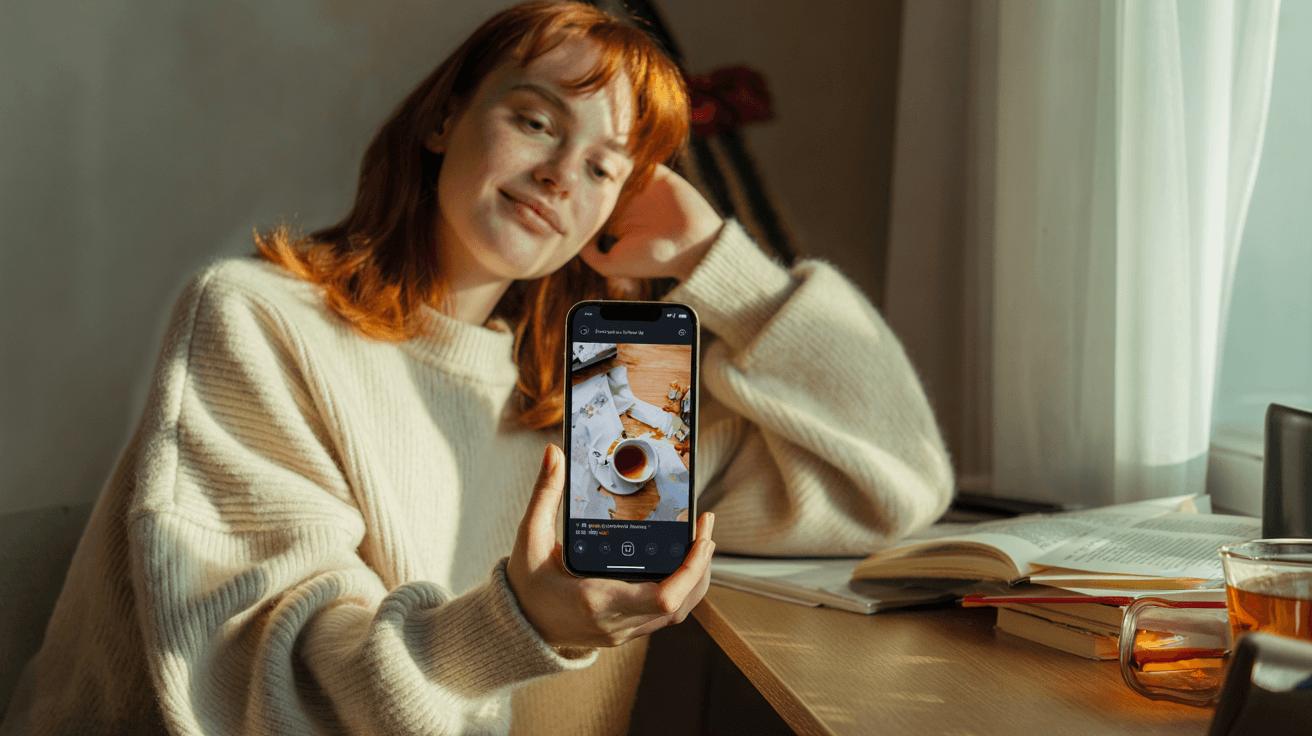
Also, let’s be honest: “authentic” becomes performative the moment people know they’re being watched. Even BeReal had people staging their “real” moments after a while.
What Most People Miss: BeReal Was Never Built for Influencer Culture
BeReal didn’t create an obvious path to “blow up.” And that matters, because platforms now grow through creators.
On TikTok, Instagram, and YouTube, creators power the ecosystem. They push trends, keep audiences entertained, and make people open the app daily.
BeReal’s model is closer to a private group chat: fun with friends, but not a public stage.
A simple truth:
Platforms don’t win just by being healthy. They win by being habit-forming—and BeReal intentionally avoided the tricks that create addiction.
What’s Looming on the Horizon
If BeReal is fading, what replaces it? I don’t think it’s going to be one single “new app.” It’s going to be a set of trends already forming across platforms.
- More private sharing: group chats, close friends lists, private stories
- More “low effort” posting: messy, casual content over polished feeds
- More identity play: avatars, AI-generated content, curated digital personas
- More platform fragmentation: people spreading attention across multiple apps instead of living on one
If you want a reliable macro view of how social media habits shift (especially among different age groups), Pew Research’s social media coverage is one of the best sources for real trend context.
The “Authenticity” Trend Isn’t Dead—It’s Evolving
BeReal might not stay the main character, but the idea it popularized is sticking around: people are tired of perfection.
You can see this in the way other platforms adapted:
- more casual Stories content
- more behind-the-scenes posting
- more “photo dumps” and unfiltered moments
- more creator content that feels like a friend talking, not a brand campaign
And yes—AI is part of the next wave too. If the internet fills with synthetic content, “realness” becomes more valuable, not less.
For a grounded framework on AI and digital risk (including how synthetic media changes trust), NIST’s AI Risk Management Framework is a smart reference.
Practical Advice: If You Still Like BeReal, Use It Like This
If you enjoy BeReal, you don’t need to quit just because the hype cycle moved on. You just need to treat it like what it is: a small social ritual.
- Keep it small: add close friends, not everyone you’ve ever met
- Don’t chase “good” posts: boring is literally the point
- Use it as a memory log: it’s weirdly nice as a daily time capsule
- Ignore the pressure: if you miss the two minutes, post late and move on
The best way to keep it fun:
Treat BeReal like a disposable camera, not a stage. The less you try, the more it works.
FAQ
Is BeReal dead?
Not necessarily, but the hype has cooled. It’s still useful for people who enjoy low-pressure sharing with friends, even if it’s not dominating the culture conversation anymore.
Why did BeReal lose popularity?
The novelty faded, and the app doesn’t offer endless scrolling or strong creator-driven growth. It’s built for short daily check-ins, which limits long-term hype.
What’s replacing BeReal?
Not one app. The trend is shifting toward private sharing, low-effort posting, and identity experimentation across multiple platforms.
Is authenticity still a trend?
Yes, but it’s evolving. “Real” content is becoming more valuable as feeds get more curated and AI-generated media becomes more common.
Should I keep using BeReal?
If it makes you feel connected and doesn’t stress you out, yes. Just use it with close friends and stop treating it like a performance.
Key Takeaways
- ✓ BeReal’s appeal was low-pressure sharing during peak “social media fatigue.”
- ✓ The hype cooled because the app isn’t built for endless scrolling or creator-driven growth.
- ✓ Authenticity becomes performative when people feel watched—even on “real” apps.
- ✓ The next wave favors private sharing, low-effort posting, and platform fragmentation.
- ✓ “Realness” isn’t going away—it’s evolving as synthetic content increases.
- ✓ If you like BeReal, use it as a daily memory log, not a performance space.
 Social Media Buzz
 Twitter vs Threads: Decoding the Social Media Rumble
Written by: Maya J. Social Media Trends Writer & Digital Culture Commentator Fro...
 Tech
Tech Exploring the Future of Augmented Reality and Apple's Vision Pro
Written by: David K. Tech Strategy Consultant & Workflow Automation Specialist ...