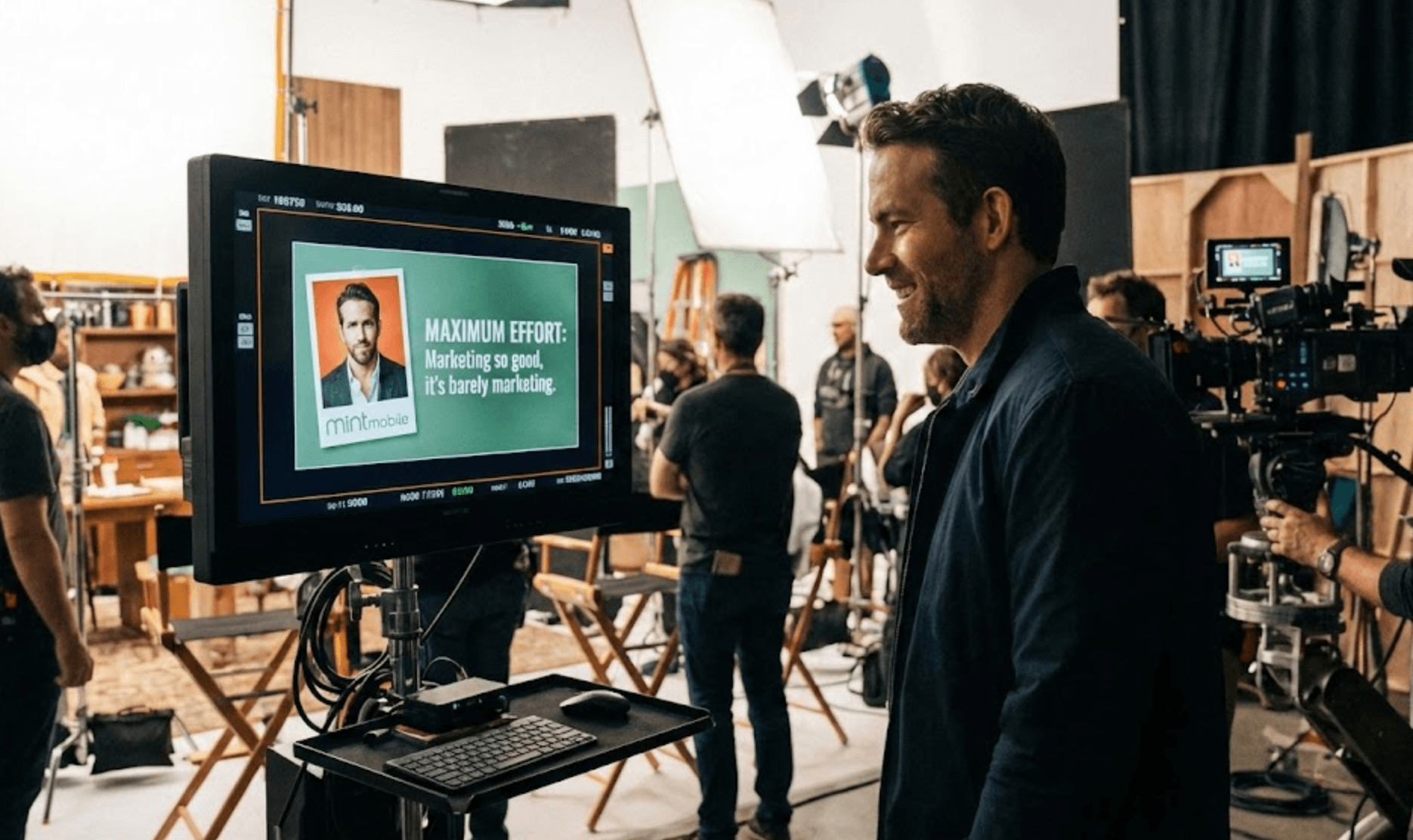
Ryan Reynolds’ Tech Ventures Are Expanding Beyond Hollywood
David K.
Ryan Reynolds isn’t just “the funny guy from Deadpool” anymore. At this point, he’s building something that looks a lot like a modern business empire—one that sits right between entertainment, branding, and tech.
And the interesting part isn’t that a celebrity invests. Plenty of them do. The interesting part is how deliberate Reynolds is about it: he’s not chasing random startups, he’s stacking businesses that feed each other.
Ryan Reynolds Has Been Building a Business Machine
If you’ve followed his career even casually, you’ve probably noticed a pattern: Reynolds doesn’t just show up in projects… he shapes the way they’re marketed and talked about.
That same approach carries into his ventures. Whether it’s alcohol brands, telecom, sports ownership, or production, he’s leaning into the part most actors never touch: distribution + audience + attention.
Quick reality check:
The advantage isn’t “celebrity money.” It’s the ability to turn a product launch into a cultural moment without paying traditional advertising prices.
The Projects Expanding Beyond Hollywood
Reynolds’ portfolio isn’t random. It’s a mix of consumer-facing brands and media assets, and the overlap is exactly what makes it powerful.
Here are the major lanes he’s been playing in:
- Brand ownership: equity stakes where he can influence creative and growth
- Production & content: keeping control of what gets made (and how it’s marketed)
- Sports + community: building fan loyalty and long-term cultural relevance
- Tech-driven distribution: using modern channels to turn attention into sales
Why His Strategy Works
Marketing has changed. Traditional ads don’t hit the way they used to, and people trust brands less than ever. What still works? Personality-driven attention with storytelling that feels human.
Reynolds is basically a walking distribution channel. When he promotes something, it doesn’t feel like a stiff campaign—it feels like entertainment, which makes the ad invisible in the best possible way.
This is why his ventures scale faster than most celebrity side projects: he’s not renting attention, he owns it.
The Real “Tech Angle” People Miss
A lot of people hear “tech ventures” and immediately assume AI startups or Silicon Valley apps. But Reynolds’ tech advantage is more subtle:
- he understands modern media distribution
- he moves fast with creative iterations
- he treats marketing like product development
- he builds brands like ecosystems, not one-off launches
If you want a broader view on how celebrity influence interacts with media and public perception, Pew Research’s internet & technology coverage is a solid place to explore how people engage with content and trust online.
What This Means for Entrepreneurs and Marketers
This is the part you can actually use. You don’t need Ryan Reynolds-level fame to learn from the model—you just need the structure.
Here’s what his approach translates to in the real world:
For a trustworthy read on modern brand building and advertising psychology, the American Psychological Association’s media & tech topic page is a useful reference point.
FAQ
What businesses has Ryan Reynolds been involved with outside acting?
He’s been involved in multiple ventures across consumer brands, production, and sports ownership. His business strategy tends to focus on attention, storytelling, and long-term brand equity.
Is Ryan Reynolds actually a tech investor?
He’s connected to tech-driven ventures and modern digital distribution, but his strongest “tech advantage” is how he uses media and marketing systems to scale brands efficiently.
Why are celebrity ventures so successful sometimes?
The successful ones aren’t just funded—they’re actively operated. When the celebrity becomes a genuine part of the product and the storytelling, the brand feels more authentic and converts better.
What can small businesses learn from Reynolds’ strategy?
Own your distribution, treat marketing like product development, and build a brand ecosystem where each move supports the next. You don’t need fame—you need consistency and smart packaging.
Are celebrity-backed brands risky investments?
They can be. If the product depends entirely on popularity, it’s fragile. The strongest celebrity ventures have real fundamentals: good product-market fit, strong operators, and scalable distribution.
Key Takeaways
- ✓ Ryan Reynolds is building an interconnected business ecosystem, not random one-off investments.
- ✓ His edge comes from distribution and storytelling, not just celebrity status.
- ✓ The most scalable ventures are the ones that naturally cross-promote and reinforce each other.
- ✓ Marketing-as-entertainment is a competitive advantage in a world numb to ads.
- ✓ Small businesses can copy the structure: own distribution and build consistent brand systems.
- ✓ The best celebrity ventures are operator-driven, not just endorsement deals.
 Social Media Buzz
 Twitter vs Threads: Decoding the Social Media Rumble
Written by: Maya J. Social Media Trends Writer & Digital Culture Commentator Fro...
 Fashion
 Sustainable Fashion and the Rise of Eco-friendly Brands
Written by: Jasmine L. Fashion Blogger & Pop-Culture Trend Watcher I write about...