
Exploring Viral Social Media Challenges: A Look at Their Exciting Nature and Potential Dangers
Maya J.
Every few months, the internet decides we all need to dump ice water on our heads, dance in grocery store aisles, or attempt something chaotic on camera “for the challenge.”
Viral social media challenges are one of the fastest-moving trend formats online. They spread globally in days, rack up billions of views, and pull in everyone—from teenagers to celebrities to major brands.
But the excitement comes with a flip side people don’t always think about until something goes wrong.
Why Viral Challenges Blow Up So Fast
Challenges are built for algorithms. They’re repeatable, visual, and easy to participate in—which makes them perfect social media fuel.
Most viral challenges share the same core DNA:
- simple concept anyone can copy
- visual payoff (funny, shocking, impressive)
- music or audio hooks
- tagging friends to continue the chain
- short video format optimized for feeds
The algorithm truth:
Challenges go viral because they turn viewers into participants. The moment people feel invited in, growth explodes.
The Excitement Factor: Why People Love Joining In
There’s a psychological pull behind challenges that goes beyond “just content.”
- belonging: you’re part of a global moment
- visibility: viral challenges can spike views overnight
- creativity: people remix the format with personal twists
- low barrier entry: no pro gear needed
It’s participatory culture in its purest form.
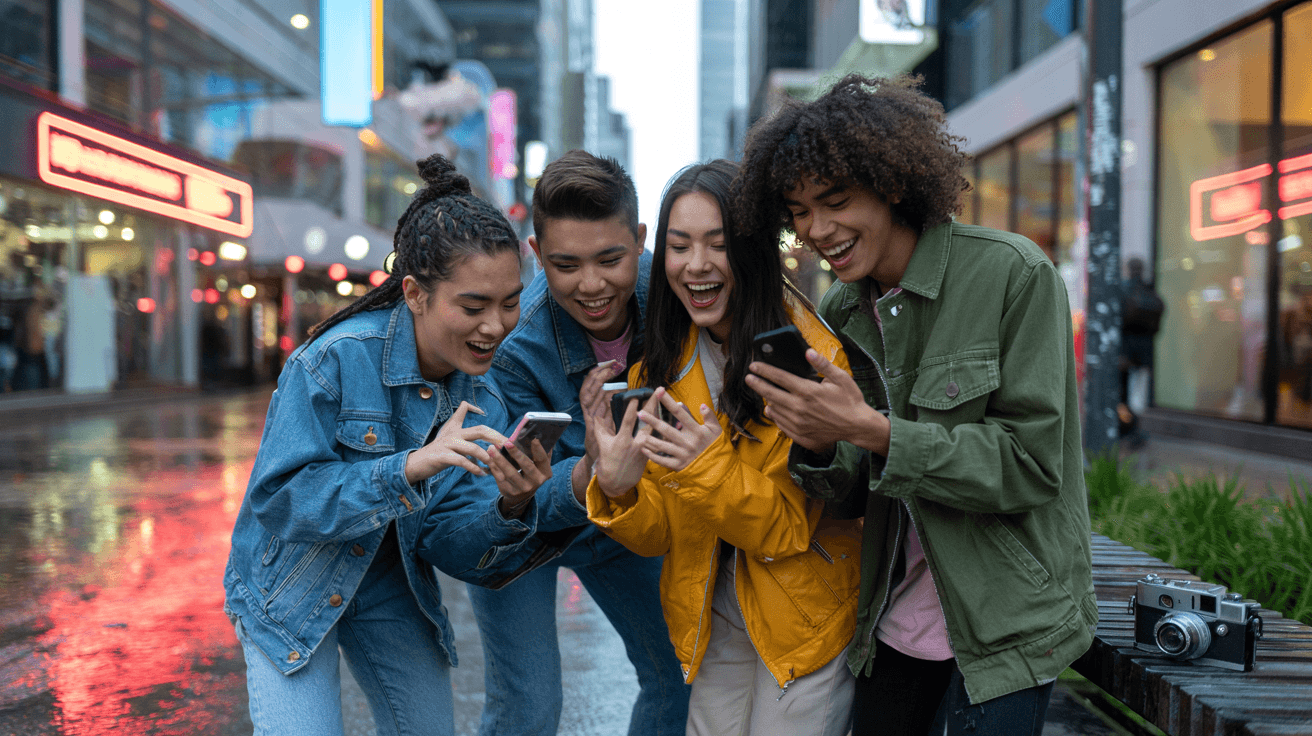
When Fun Turns Risky
Not every challenge stays harmless. The pressure to go viral can push people toward riskier stunts.
Some of the dangers include:
- physical injury from stunts
- property damage
- legal consequences
- copycat escalation
- peer pressure to participate
Public health experts have raised concerns about how quickly risky behaviors can spread online. For broader context on digital behavior and youth safety, the CDC youth injury prevention resources outline how social influence contributes to risk-taking.
Reality check:
The more extreme a challenge becomes, the faster it spreads—but also the faster platforms and authorities step in.
A Breakdown of Challenge Types
How Platforms Respond to Dangerous Trends
Social platforms walk a tightrope: challenges drive engagement, but they also create liability.
When a trend crosses into harm territory, platforms often:
- remove related hashtags
- demote videos in algorithms
- issue safety warnings
- ban repeat offenders
For a wider lens on digital platform governance and moderation challenges, Brookings tech policy research explores how companies balance engagement and safety.
Practical Rule: How to Judge a Challenge Before Joining
If you ever feel unsure about participating, run through this quick filter:
- Could someone get hurt copying this?
- Is property damage involved?
- Would you regret it being online permanently?
- Is the payoff worth the risk?
Simple rule:
If the challenge looks fun but harmless, it’s probably fine. If it looks dangerous but viral, skip it—the internet moves on fast, injuries don’t.
FAQ
Why do social media challenges go viral?
They’re easy to replicate, visually engaging, and encourage participation, which algorithms reward with more visibility.
Are all viral challenges dangerous?
No. Many are harmless, like dance or charity challenges. The risks appear when stunts or dares are involved.
Do platforms remove risky challenges?
Yes. Platforms often limit hashtags, remove videos, or issue warnings when trends become unsafe.
Why do people participate even when risks are obvious?
Social pressure, virality incentives, and the desire for attention can override caution—especially among younger users.
Can viral challenges be positive?
Absolutely. Some raise awareness, support charities, or promote fitness and creativity in healthy ways.
Key Takeaways
- ✓ Viral challenges spread because they turn viewers into participants.
- ✓ Most successful challenges are simple, visual, and repeatable.
- ✓ Risk increases when stunts or dares replace creativity.
- ✓ Platforms intervene when challenges create harm or liability.
- ✓ Positive challenges can promote creativity, fitness, or social causes.
- ✓ If a challenge looks risky offline, it’s risky online—virality doesn’t reduce consequences.
 Social Media Buzz
 Virtual Stars: Explore How AI-Generated Influencers are Shaping Social Media Trends
Written by: Maya J. Social Media Trends Writer & Digital Culture Commentator Fro...
 Tech
Tech AI and the Race for Green Tech: The Solution to Energy Crisis?
Written by: David K. Tech Strategy Consultant & Workflow Automation Specialist ...